Building a more predictable furniture business.
Turning strong craftsmanship and referral-driven demand into a more structured business with clearer customer acquisition, experience and growth systems.
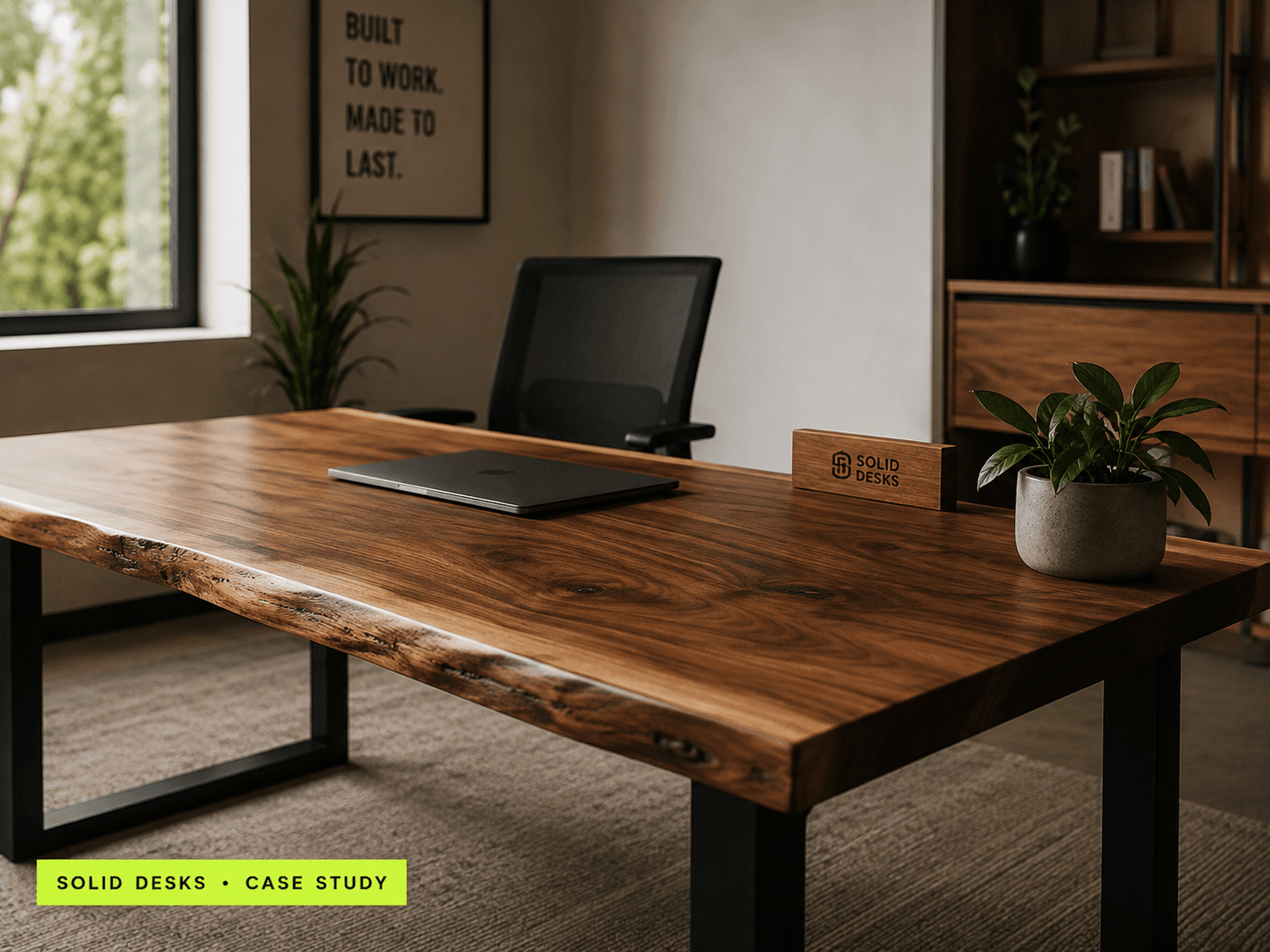
- Strong craftsmanship and satisfied customers
- Most new work coming through referrals
- Inconsistent monthly enquiries
The business mainly needed a stronger website and digital presence.
The bigger constraint was not craftsmanship. It was building a predictable way to attract and convert the right customers.
Understand the business before choosing the solution.
We started by understanding how the business works today, what the owner wants to achieve and what is actually standing in the way.
We started with a solution in mind. Discovery changed the question.
Build a better website.
What is actually stopping the business from growing?
Instead of choosing the technology first, we started with the business, the customer and the constraint.
The detailed discovery questions and assessment remain part of the Foundation Sprint. The case study shows the shift in thinking, not the full diagnostic method.
The first solution you think of is rarely the first thing you should build.
You don't need every customer. You need the right customer.
We narrowed the market to identify which customer segment gives the business the strongest starting point.
A more deliberate customer focus.
You don't need every customer. You need enough of the right customers.
Growth doesn't happen by improving one moment.
We mapped what happens from first awareness through enquiry, decision, delivery, retention and advocacy.
The buying decision develops across the journey, not in one moment.
Confidence can be won or lost between interest and a buying decision.
Growth doesn't happen by improving one moment. It happens by improving the journey around it.
Not every problem deserves to be solved first.
We identify where customers, revenue and confidence are being lost and determine which opportunities matter most.
The problem wasn't a lack of ideas. It was deciding what deserved attention first.
The detailed scoring and prioritisation method stays inside the Foundation Blueprint. The case study shows the decision, not the full framework.
Strategy wasn't finding more things to do. It was deciding what deserved attention first.
Now we know what is worth building.
The findings become a practical roadmap covering positioning, acquisition, experience and the systems required next.
The priorities now work together as one business system.
Who the business is designed around
How the customer moves toward value
What supports the journey
The detailed recommendations, priorities and implementation sequence remain part of the full Foundation Blueprint. This view shows the logic without exposing the complete deliverable.
The Foundation Blueprint doesn't tell us everything we could build. It tells us what should be built, and in what order.
Clarity before
complexity.
Instead of jumping straight into a website or more technology, Solid Desks now has a clearer view of the customer, the journey, the priorities and what should be built next.
A practical direction for what the business should do next.
The Blueprint brings discovery, customer focus, the customer journey and business priorities together into a clear direction for what should be built, improved or tested next.
Want to find out what your business actually needs next?
Book a Free Fit Call→